
birth, Information, postnatal

10 Things You Need To Know About Your Perineum and Pelvic Floor

As always none of this information should be taken as advice. Always consult your healthcare provider with any questions or concerns about your health.
1. What is your perineum?

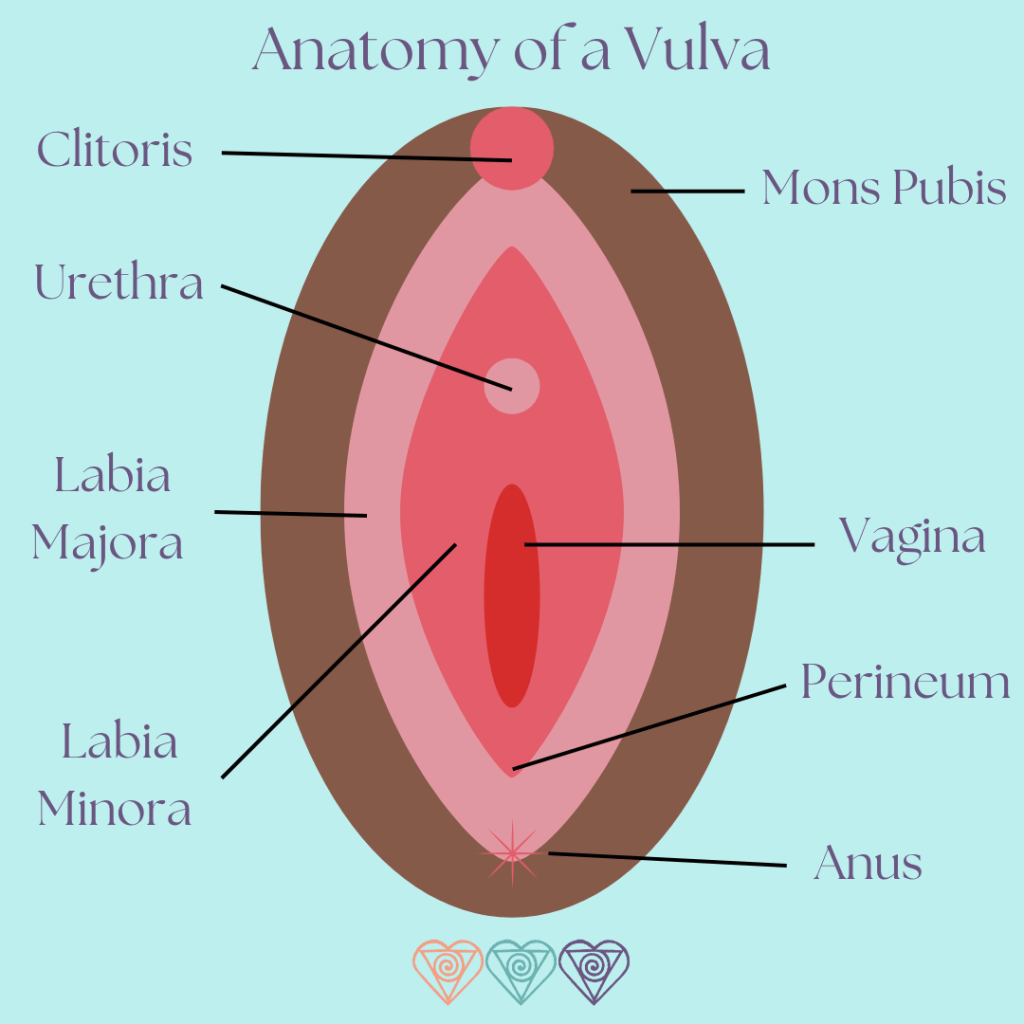
Our bodies and how they work are not sufficiently covered in ‘A level Biology’, let alone sex education at schools. By the time many people become pregnant they may have never really looked at their own vulva. The vulva is the name for the outside area of the genitals, it is often confused with the vagina. The vagina is the tube of muscle inside; it goes from the opening in between the tiny, almost invisible hole where pee comes out (urethra) and the bum hole (anus), all the way up to the cervix -the opening to your womb (aka medically as your uterus.) Your perineum is the area between your vaginal opening and your anus.

Continue reading “10 Things You Need To Know About Your Perineum and Pelvic Floor”


Baby Feeding, choices, Information, Newborn Baby, postnatal

Five tips for increasing your milk supply

We all need to feel loved and held even when everything is going well.

Establishing and maintaining a good supply of milk is one of the top worries that many new parents have about breast/chestfeeding. Our society and the prevalence of formula advertising have made us think that this is a very common problem. But when you’re feeding in a supportive setting with access to knowledgeable support not having enough milk is pretty rare. What is common is to doubt yourself and feel worried. A supportive atmosphere is often a vital component to gaining confidence and knowledge that a small change can make a big difference.

Do you need to worry? Probably not. Keep reading for the signs your baby is getting a good amount of milk and always check with your healthcare provider or your local breastfeeding support group if you have questions or concerns. But remember overall you’re most likely to have nothing to worry about.

Continue reading “Five tips for increasing your milk supply”
choices, Information, postnatal

Mental and Emotional Health and Wellbeing

When we set our topics for our meet-ups we try to find topics that will be interesting to a wide variety of people. Often we talk about perinatal mental health and we sometimes find people aren’t sure if that applies to them. Even people who have struggled with feeling anxious or low mood while pregnant or parenting can be given the impression by society and the healthcare system that they should just get on with it and not moan because other people have it worse. So for future reference, if you see mental health on our topic list and wonder, yes this is for you. Another important note when we’re talking about perinatal emotional and mental health we’re not just talking about mums and birthing people. Partners, dads, all parents can struggle during the year or more around having a baby and all of the same things about reaching out for and providing your self with support apply to all of us.

Continue reading “Mental and Emotional Health and Wellbeing”
choices, Newborn Baby, parenting, postnatal

Normal Newborn Crying

What’s a normal amount of crying for my baby to do?

This is almost an impossible question to answer because all babies are so different. The important thing to remember is crying is your baby communicating with you, not to complain or upset you but just to let you know something.

It’s completely normal to not know what it is your baby is trying to say, the idea that we will automatically instinctively know how to care for our baby is a myth. Learning to parent is very often about going through the list of possible reasons your baby might be crying, hungry, tired, need nappy changing, need to burp, need a cuddle, need to pass wind, need to poop, have a small piece of thread caught round their toe, etc, etc.

Continue reading “Normal Newborn Crying”
choices, Information, Newborn Baby, parenting, postnatal

Normal for a New Parent

The original title of this blog was normal infant behaviour. But as I started to write it I realised that it’s not enough to just know what to expect your baby to be like.

As a team when we talked about what we would include in this post many of us reflected on how it feels to be a new parent, especially for the first time. What would we like expectant parents to know? That parenting is hard & however prepared you feel, it could still potentially hit you like a juggernaut.

You feel what you feel – There’s no such thing as a perfect parent

In modern western society, we’re often not really used to being around small babies. When you find yourself pregnant, especially for the first time, there’s so much information on what you should and shouldn’t do it can be very overwhelming and feel like you’re being expected to achieve some kind of perfect parent status without any actual practical support.

Continue reading “Normal for a New Parent”
Information, Newborn Baby

Normal Newborn Sleep

There are several phrases we would like to see banned and one is “sleeping like a baby”. The idea that babies should be seen and not heard, that they should have a feed and then sleep peacefully in a cot for a significant period of time has no basis in actual baby physiology and has so much potential to make new parents feel like they are failing.

The real-life situation is that everything in the world is new to a baby and all they have ever known is to be perfectly happy in the warm darkness listening to your heartbeat. So if your baby wants to only sleep on you and never be put down, congratulations they are normal.

Continue reading “Normal Newborn Sleep”
Newborn Baby, postnatal

Normal Newborn Care

There are lots of ‘basic baby care’ tasks you might be doing for the very first time when you have a new baby. It’s okay to feel you don’t know anything and normal to learn on the job. There is no such thing as a silly question. If you don’t have a reliable group of friends or a relative you can trust to support you, you’re more than welcome to come along to any of our meet-ups and know there will be someone there who has had the same questions as you, whatever is concerning or confusing you. Our Facebook group is also a great place for these questions especially as there’s often someone around at any time of day.

Continue reading “Normal Newborn Care”
Baby Feeding, postnatal

Normal Newborn Feeding.

We need support to feed our babies not “breastfeeding promotion”

Maybe the most common question you will have been asked in your antenatal appointments is how are you planning to feed your baby? The most common advice is likely to have been you “should” breast/chest feed.

So many parents find the flip side of this is once the baby is born if they have any experience other than a perfectly latching and growing baby with no effort the advice changes to perhaps you “should” just give them a bottle.

This situation leads to so many parents feeling they have failed and feeling guilty.

This is the difference between breastfeeding promotion and baby feeding support.

So let’s be really honest. Establishing breast/chest feeding is probably more often than not an intense experience where challenges have to be faced and worked through. It is completely normal to need support with feeding your baby.

Continue reading “Normal Newborn Feeding.”
Information

Five ways Information Can be Your Best Friend

1. Information is Not Advice.

Everyone has their own life experiences and opinions which may colour the way they present information and make it seem a lot like advice. Sometimes our own understanding of the world, or previous experiences, can make us feel pressured to make choices that feel implied by the information someone has selected to give us. An important thing to be aware of, and a skill to learn during pregnancy that will serve you very well as a parent and through life, is how to filter what you hear so you can spot the information and separate it from the advice so that you can decide what the right choices are for you. One example of this might be when you’re offered an induction of labour. You will be given information about why you are being offered an induction of labour by your care provider. Some of this may be in the form of advice to take up the offer. You might then think “I’m not sure if this is the right choice for me” and want to chat through with a friend. Your friend may have had an experience of having labour induced and may have negative memories from that. The information about her experience may also feel like advice. You might then also look up information on the internet about induction of labour (if you decide to do this, you’re very welcome to ask in our Facebook group if anyone knows any reliable sources of accurate information) and you may find that information is presented from many different perspectives. Ultimately, however, you will find some things resonate with you and this information is useful for your own decision-making process. Then you are able to discard the other information and advice which isn’t helpful or relevant to you. This can help you feel really confident in your own decisions and is a life skill which can help with your confidence as you learn to parent and throughout life.

Continue reading “Five ways Information Can be Your Best Friend”
postnatal

Birth plans, postnatal plans, team plans!

Planning for your birth isn’t planning for one isolated event. Your birth plan needs to be rooted in the context of planning for the fact that birth is just the start of the rest of your life. It’s a bit like planning your wedding and remembering that you’re not just planning one day but whole marriage.

Your birth and parenting experience is a journey into the great, exciting, unknown.

You can’t control everything, some things will happen that you’re not expecting but you can give yourself the gift of support and knowledge that allows you to not just survive but thrive.

Continue reading “Birth plans, postnatal plans, team plans!”